By Andrea Hamer • Adventuring Into Life
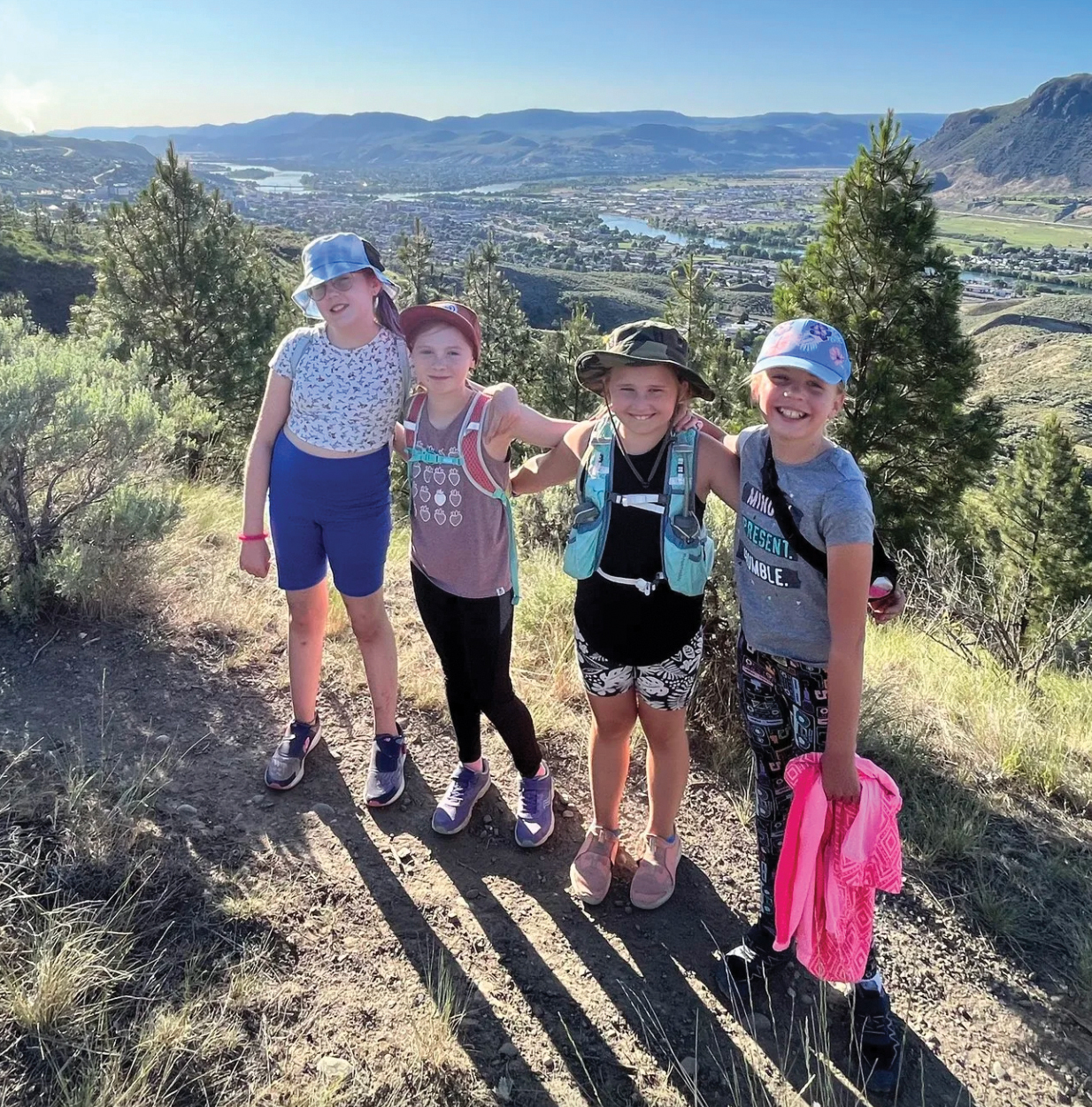
Around the ages of 9 to 12, many girls begin to drift away from sport and physical activity. They don’t usually make a big announcement. They don’t always say they’ve lost interest. They simply stop signing up, stop attending, or choose not to try something new.
For parents, this can be confusing. A child who once loved being active suddenly becomes hesitant, self-conscious, or resistant. It’s often chalked up to changing interests or busy schedules, but after years of working with girls in sport and outdoor recreation, I’ve come to understand that it’s often something deeper.
As a competitive freestyle skier growing up, I watched the numbers shift as I got older. At younger ages, teams were full of girls. As we got older and competition increased, fewer and fewer remained. When I later began coaching skiing, the pattern repeated itself. The younger groups were balanced. The older groups were not.
At the time, I assumed this was simply the nature of sport. Not everyone wants to compete, and that’s okay. But when I began coaching bike camps and outdoor programs, the same trend appeared in a new way. There were noticeably fewer girls registering for biking programs. Yet when biking was included within a girls-only multi-sport camp, the change was striking. The girls didn’t just participate, they loved it. They pushed themselves more than I typically saw in co-ed camps. They took risks. They stayed engaged. They encouraged each other.
That was when it became clear that this wasn’t about ability or interest. It was about the environment.
Between the ages of 9 and 12, many girls are navigating significant physical, emotional, and social changes. Bodies are changing. Self-awareness increases. Fear of judgment grows. In co-ed spaces, particularly those influenced by competitive sport culture, these changes can become a factor in how girls show up. Often subconsciously.
From my experience, boys are more typically socialized to jump in quickly, to ‘just go for it,’ even if they aren’t sure they’ll succeed. Girls, on the other hand, tend to want encouragement, reassurance, and a sense of safety before trying something new. Many are less willing to take risks if they feel they might fail publicly, especially in front of peers who appear more confident or skilled.
Co-ed programs can be wonderful, and many girls thrive in them. I spent much of my own athletic career on co-ed teams and gained valuable experiences. At the same time, when I look back honestly, there were moments where being surrounded by boys impacted my confidence and willingness to take risks. There were times when I would have benefited from being in a space where I didn’t feel the pressure to keep up or prove myself.
Girls-only spaces are not about exclusion. They are about intention. They create an environment where girls can explore activities without comparison, where encouragement is abundant, and where effort is valued just as much as outcome.
I see this transformation regularly. Many girls arrive at camp shy and quiet, hanging back and watching closely. They may apologize when they fall or worry aloud about holding the group back. As the days go on, I see the shift. They become more playful and energetic. They begin to take risks. They cheer for one another. Confidence builds not because they are suddenly the best at the activity, but because they feel safe enough to try.
One camper in particular stays with me. She arrived at a bike camp with very little experience and spent the first day falling often. At the end of that day, her mom asked if she should keep her daughter home, worried she might be slowing the group down. What I saw instead was determination. The girl was quiet, but every time she fell, she smiled, got back on her bike, and tried again.
By the end of the camp, she was riding confidently, staying on her bike, and fully engaged. On the final day, her grandparents came to watch a wrap-up ride. They were astonished. They told us they barely recognized her, not just in her riding ability, but in how she carried herself. The confidence and joy she showed were unmistakable, and her entire family felt the impact of that transformation.
Research supports what many parents and coaches observe firsthand. Organizations such as the Women’s Sports Foundation, Women in Sport, and UN Women have documented that girls are more likely than boys to drop out of physical activity as they approach adolescence, particularly when they don’t feel confident, supported, or represented. Programs that prioritize belonging, enjoyment, and encouragement play an important role in helping girls stay active long-term.
For many girls, the issue isn’t a lack of interest in movement. It’s a lack of spaces where they feel comfortable exploring it. As sport becomes more competitive, the pathways narrow. Girls who don’t want to compete, or who simply want to move for the joy of it, often have fewer options.
This is why the ages of 9 to 12 feel so critical. This window offers a chance to help girls find something they love before they reach their teens, when dropout rates increase significantly. It’s a time to build confidence, resilience, and a positive relationship with movement that can last a lifetime.
At Adventuring Into Life, this understanding shapes how our programs are designed. Our girls-only camps are intentionally created to support confidence, willingness to try, and a lifelong love of being active outdoors. By offering spaces where girls can move, explore, fall, laugh, and try again, we help them build skills that extend far beyond the activity itself and into what they believe they’re capable of.
Andrea Hamer is a competitive freestyle skier turned coach and outdoor educator with over 15 years of experience working with youth. She designs outdoor programs that help girls build confidence, resilience, and a lasting love of movement. This summer, she is launching a girls camp in Kelowna. Visit www.adventuringintolife.ca.